Home Inspection Checklist for Buyers
What Every Buyer Needs to Know Before Signing on the Dotted Line
Buying a home is exciting. It’s emotional. It’s also one of the biggest financial decisions you’ll ever make. And here’s the truth most people don’t tell you: your dream home might come with a few nightmares hiding under the surface. That’s why a home inspection isn’t just a formality—it’s your safeguard.
I’ve worked with hundreds of buyers over the years, and I can tell you with certainty: the inspection is where deals are saved or sunk. I’ve seen buyers walk away from homes with ticking time bombs in the basement, and I’ve also seen clients get $15,000 knocked off a purchase price because they had the right inspection leverage.
So let’s break down exactly what you need to know—with a checklist you can actually use—and why having the right real estate agent guiding you makes all the difference.
Step 1: Hire the Right Real Estate Agent First
I know this article is about inspections, but let me be blunt: the entire process starts with your agent. Why? Because a home inspection is only as useful as the person helping you interpret it.
A good agent will:
Recommend trusted inspectors they’ve worked with before.
Help you understand what’s “normal wear and tear” versus “run for the hills.”
Use the report as a negotiation tool, not just a list of problems.
I once had buyers who worked with another agent before me. They fell in love with a house, did the inspection, and then panicked when the report came back at 52 pages long. Their agent said, “Wow, that’s a lot. What do you want to do?” No guidance, no strategy. They walked away from what was actually a great house because the agent didn’t know how to separate the small stuff (loose doorknobs, minor cracks) from the big-ticket issues.
Compare that to one of my clients last year: their inspection revealed a $7,000 furnace replacement coming due. Instead of freaking out, we negotiated with the seller to cover half the cost and the deal closed. Same scenario, totally different outcome—because of the agent.
Step 2: Choose a Qualified Home Inspector
Not all inspectors are created equal. Some are detail-oriented pros who crawl into every nook and cranny; others barely peek behind the water heater.
Here’s what to look for:
Certifications & licensing: Check if they’re certified by organizations like ASHI (American Society of Home Inspectors).
Experience: You don’t want their second inspection ever to be your house.
Reviews & references: Ask your agent and past clients for feedback.
Your inspector’s job is to find issues, not sugarcoat them. Don’t be surprised if the report feels overwhelming. That’s normal. A solid inspector is like a good doctor—they’ll point out what’s urgent, what’s worth monitoring, and what’s nothing to lose sleep over.
Step 3: Exterior Checklist
Before you even step inside, the outside of the home tells you a lot.
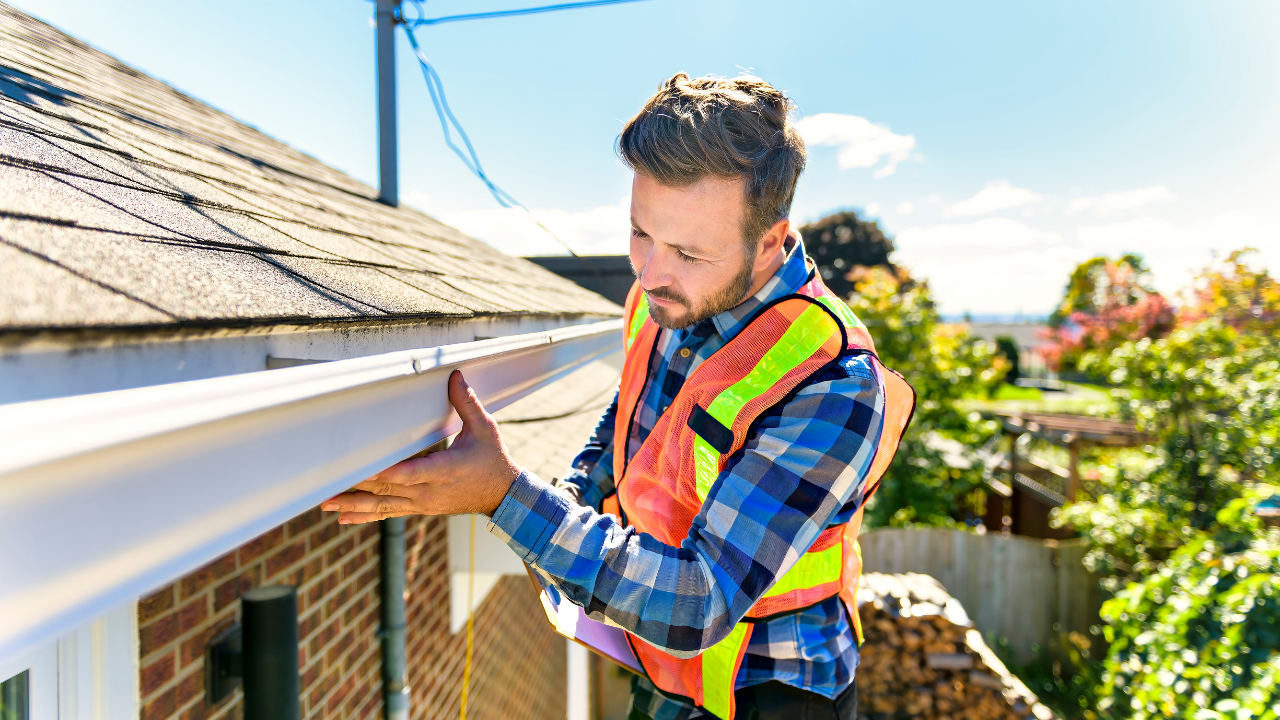
Roof: Missing shingles, water damage, or sagging? Roofs are expensive to replace.
Siding & foundation: Cracks, rot, or water pooling near the foundation are red flags.
Gutters & downspouts: If water isn’t draining properly, you’re looking at potential basement flooding.
Driveway & walkways: Trip hazards aren’t just annoying—they can be safety and insurance issues.
Decks & porches: Loose boards, rot, or improper railings can cost thousands to repair.
I’ll never forget one buyer who fell in love with a charming porch. It looked fine until the inspector poked the wood and his screwdriver sank straight through. What looked like a Pinterest-worthy feature was actually termite damage. That $25 inspection discovery saved my buyer from a $12,000 repair bill.
Step 4: Interior Checklist
This is where inspectors really earn their paycheck.
Attic
Insulation thickness and condition.
Signs of leaks or mold.
Proper ventilation (a must to avoid future roof issues).
Basement
Water seepage, cracks, or high humidity.
Signs of mold or mildew.
Foundation condition.
Plumbing
Water pressure test.
Leaks under sinks and in the basement.
Age of water heater.
Electrical
Main panel condition.
Properly grounded outlets.
Signs of outdated wiring (think knob-and-tube).
HVAC
Furnace age and service history.
AC functionality.
Ductwork cleanliness.
Appliances
Functionality of included appliances.
Age of major systems (washer/dryer, stove, dishwasher).
Even small things add up. Replacing a water heater, fixing an old electrical panel, or addressing mold issues could swing thousands of dollars either way.
Step 5: Safety & Code Issues
Your dream home isn’t worth much if it’s unsafe. Inspectors look for:
Smoke/CO detectors in the right spots.
Radon levels (common in some regions).
Asbestos or lead paint in older homes.
GFCI outlets near kitchens, bathrooms, and outdoors.
These aren’t cosmetic issues—they’re health and safety. I once had a buyer ready to move in until the inspector tested for radon. The levels were double the EPA limit. We had the seller install a mitigation system before closing, which cost them $1,200. That’s the kind of thing you don’t want to discover six months later.
Step 6: Red Flags That Could Kill a Deal
Not every problem is a dealbreaker. But some are:
Major structural damage.
Roof or foundation beyond repair.
Active termite infestations.
Outdated electrical or plumbing systems that aren’t up to code.
When these come up, you have two options: renegotiate hard or walk away. The right agent will help you make that call.
Step 7: Use the Inspection Report Strategically
Think of the inspection report as a playbook for negotiation.
Some items you ask the seller to fix.
Some you request money back at closing.
Some you accept and plan to address later.
Your agent’s job is to frame your requests in a way the seller will take seriously. A laundry list of “fix every tiny thing” won’t fly. But focusing on a few big-ticket, legitimate concerns often gets results.
Step 8: The Emotional Side of Inspections
Here’s the part no one talks about: the emotional rollercoaster.
Every house has issues. Every. Single. One. Even new builds. When you get that thick report, your heart might sink. But remember: the goal isn’t perfection—it’s protection.
A good agent helps you breathe through the panic, sort the big stuff from the small stuff, and keep your eye on the bigger picture: getting into a safe, solid home that fits your life.
Final Thoughts
A home inspection is more than a checklist—it’s your financial shield. But the truth is, the report is only as powerful as the people on your team.
Hire the right real estate agent who knows how to guide you.
Hire the right inspector who leaves no stone unturned.
Use the report to negotiate smartly and protect your future.
If you’re buying in today’s market, don’t go it alone. The right agent doesn’t just unlock doors—they protect your investment every step of the way.
Ready to take the next step? Reach out to Reliance Real Estate Team today!
https://www.reliancerealestateteam.com/contact/
414-659-6965 / jsingsheim@kw.com