
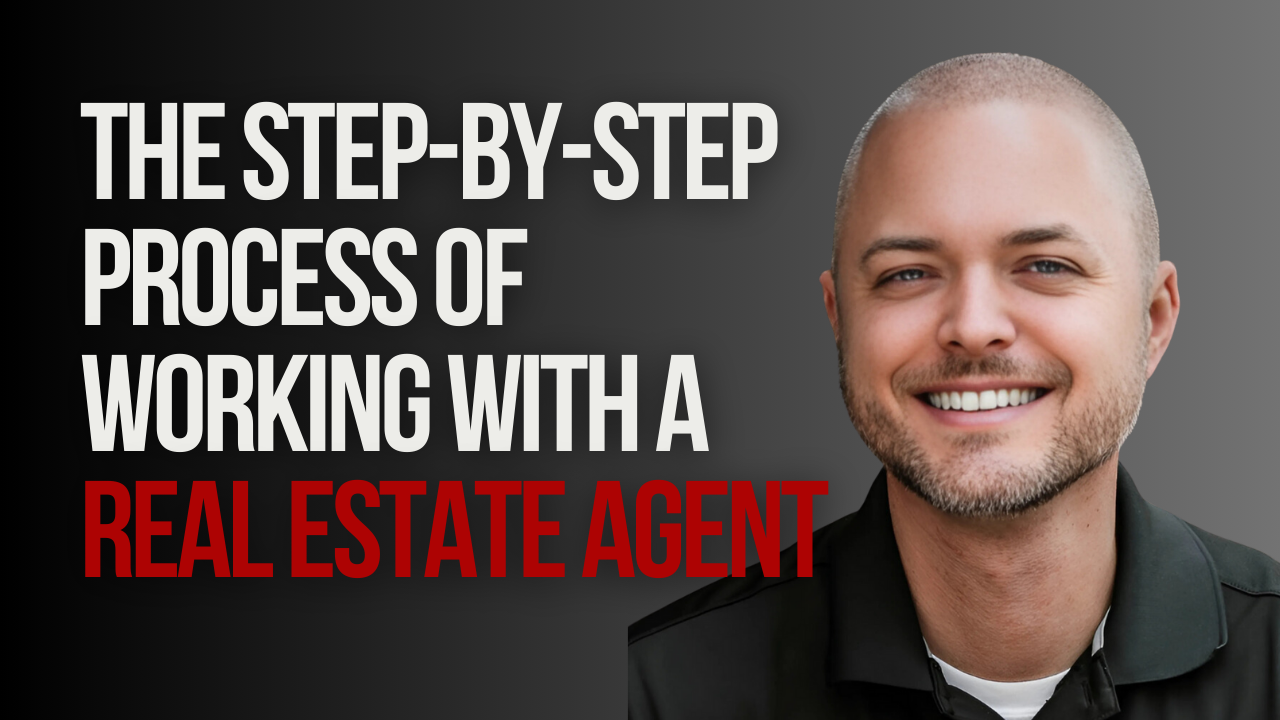
The Step-by-Step Process of Working With a Real Estate Agent
What You Really Need to Know Before Hiring in Today’s Market
Why This Guide Matters More Than Ever
Let’s get real for a second.
Buying or selling a home today isn’t the same game it was even a couple of years ago. Mortgage rates have changed. Inventory has tightened. People are more emotionally attached to their homes. And one bad decision — especially when it comes to who’s representing you — can cost you tens of thousands of dollars, or worse, leave you stuck in limbo.
I’ve been in real estate for over 13 years, and if there’s one thing I’ve learned, it’s this: your agent can make or break your entire experience.
That’s why I put this guide together — to walk you through the real step-by-step process of working with a real estate agent, written for the average person who just wants to move without losing their mind (or their money).
Step 1: Understand What a Real Estate Agent Actually Does
Here’s what your agent isn’t:
Just someone who unlocks doors or throws your listing on the MLS.
A solid real estate agent is your:
Negotiator (when emotions run high)
Analyst (when it’s time to price or write an offer)
Marketer (especially if you’re selling)
Project manager (keeping the transaction moving)
Therapist (seriously, 90% of this job is managing stress)
Anecdote: I once had a seller who got cold feet three days before closing. Their buyer was panicking, the attorneys were circling, and the movers were already booked. It took two Zoom calls and one Starbucks meeting to coach my client through the emotional rollercoaster — we closed on time. That’s not “unlock-the-door” work. That’s real representation.
Step 2: Decide What You Need From an Agent
Not all agents are cut from the same cloth — and not every agent is the right agent for you.
Ask yourself:
Am I buying, selling, or both?
Do I need help understanding the market?
Am I moving across town or across the country?
Do I want someone to hold my hand… or just handle the heavy lifting?
Knowing what kind of help you need will shape what kind of agent you’re looking for.
Pro Tip: A first-time buyer needs education and patience. A downsizing couple might need someone experienced in estate sales, staging, or emotional transitions. Pick your agent based on fit, not flash.
Step 3: Start Your Search (But Skip the Google Rabbit Hole)
Everyone goes straight to Zillow or Google — but that’s like picking a doctor based on who has the shiniest billboard.
Start here:
Ask your circle: “Who helped you buy/sell? Would you use them again?”
Look for patterns in reviews, not just 5 stars.
Don’t get seduced by fluff. Instagram agents with perfect reels might be more style than substance.
Warning Sign: If their entire feed is luxury homes, and you’re buying a $280K starter, they might not treat your deal with the attention it deserves.
Step 4: Interview Agents Like You’re Hiring for a $400K Job (Because You Are)
You’re not buying a sandwich — you’re entering a six-figure transaction. So interview your agent like you’re hiring a CFO.
Ask:
“How long have you worked in this area?”
“Can I see your last three listings or purchases?”
“What’s your negotiation style?”
“How do you keep your clients informed?”
Pay attention to how they explain things. If they can’t make this process feel simple, it probably won’t be simple.
Anecdote: A buyer once told me they chose me because I explained appraisals better than the three other agents they interviewed. Turns out, their home didn’t appraise — and because we were ready, we negotiated a $12K price drop without losing the deal.
Step 5: Read the Fine Print Before You Sign
Whether you’re buying or selling, you’re going to sign a representation agreement. Don’t gloss over this.
Here’s what you need to know:
Sellers: The listing agreement lays out commission, contract length, and marketing expectations. Ask if there are cancellation clauses.
Buyers: A buyer agency agreement gives the agent exclusive rights to represent you. Make sure you understand how they get paid.
Exclusivity: You don’t need to marry an agent before you date. Ask for a short-term agreement if you’re unsure.
Pro Tip: If the agent gets pushy about signing right away, that’s a red flag. You should feel confident and clear about the relationship.
Step 6: Set Expectations From Day One
A great agent will help you set expectations for:
Timeline — how long it may take to find a house or sell one
Communication — text, email, phone, how often and when
Process — what happens in what order
Anecdote: I once had a client who ghosted me for 10 days during negotiations because they didn’t realize how fast things moved. Now I set the tone from day one: “This is a team effort — if I reach out, it’s important.”
Step 7: Let Them Do Their Job (But Stay Engaged)
Once you’ve hired someone you trust, trust them. But stay in the loop.
Sellers:
Attend the listing appointment. Understand pricing strategy.
Give honest feedback during staging and photos.
Be flexible on showings — that’s your biggest leverage.
Buyers:
Don’t fall in love with the wrong house. I’ll help you look past granite counters and into the resale value.
Communicate when you’re feeling overwhelmed. I’d rather hear it early than after you cancel an offer.
Step 8: Understand Escrow & Closing
This is where the magic (and stress) happens. You’ll deal with:
Inspections: Every house has issues — it’s how we respond that matters.
Appraisals: If the house appraises low, we go back to the table.
Contingencies: These are your exit strategies. Know your timelines.
A great agent keeps all the plates spinning — and makes sure you don’t miss deadlines that could cost you your earnest money.
Step 9: After Closing — Keep That Relationship Alive
The best agents don’t disappear after closing.
We’re here for:
Contractor referrals
Market updates
Future plans (buying again, investing, referring friends)
Anecdote: Five years after helping a client buy her first home, I helped her sell it and upgrade to a house twice the size — she referred me to her brother and parents after that. I don’t market with ads — I market through trust.
Final Thoughts: The Right Agent Isn’t a Cost — They’re an Investment
Yes, agents get paid a commission. But here’s what you’re really paying for:
Negotiation that saves you money
Strategy that wins you the deal
Clarity that keeps you sane
The wrong agent costs you in silent ways: time, stress, regret. The right one? They pay for themselves over and over again.
Ready to Work With a Pro?
If you’re ready to talk next steps — no pressure, no push — just shoot me a message. I’m happy to help you figure out what direction makes the most sense for you.
🧠 Remember: You don’t need a superhero. You just need someone who knows the map and can guide you through the maze.
Helping Wisconsin homeowners sell faster, smarter, and with less stress for 13+ years.
Ready to take the next step? Reach out to Reliance Real Estate Team today!
https://www.reliancerealestateteam.com/contact/